Family Travel
Family travel is more than a vacation—it’s how you build shared stories, inside jokes, and “remember when…” moments that get told for years. I specialize in helping families travel well, with itineraries that balance adventure, rest, and real connection for everyone from toddlers to grandparents.
Whether your crew is dreaming of:
Theme-park magic in Orlando or Southern California
Beach escapes in Mexico or the Caribbean
National park adventures in places like Yellowstone or the Grand Canyon
First-time trips to Europe with kid-friendly culture in London, Paris, or Rome
…I help you choose destinations and experiences that actually fit your family’s style, budget, and energy level.
What makes family travel unique is the juggling act: nap times and teen moods, picky eaters and thrill-seekers, school calendars and work schedules. I plan with all of that in mind—kid-friendly accommodations, smart routing, realistic pacing, and activities that keep everyone engaged (and not glued to a screen).
From multigenerational reunions to first trips with little ones, my goal is simple: to take the stress off your plate so you can be fully present with the people you love most. You bring the family—I’ll bring the plan.
Family Travel Questions:
-
For school breaks, holidays, and summer: 6–12 months is ideal for the best options and pricing. For quick getaways, 2–4+ months is helpful. If you’re last-minute, reach out anyway—we’ll see what’s possible.
-
Absolutely. I’m used to planning for toddlers, teens, and grandparents on the same trip. I’ll suggest destinations, resorts, and activities that offer choices—so the thrill-seeker, the pool-lover, and the museum kid all get something they’re excited about.
-
Yes. I work with families who need accessibility features, quieter environments, special seating, or specific medical or dietary considerations. Share what your family needs, and I’ll build those details into the plan from the start.
-
Definitely. I vet properties for things like room configurations, kids’ clubs, pools, proximity to attractions, and overall vibe—so you’re not guessing whether a place is truly family-friendly or just says it is.
-
Travel with kids is real life on the road—things happen. I design flexible itineraries with built-in downtime and backup options. If major changes pop up (flight delays, cancellations, etc.), I’m in your corner to help adjust plans with partners. As always, it is critical to protect your travel investment with insurance for any unpredictable catastrophic changes that alter your plans.
-
Reach out with your approximate dates, who’s traveling, and a rough budget. Even if you only have a general idea like “beach” or “national parks,” I’ll help you turn that into a concrete, kid-friendly plan.
Family-Friendly Destinations
-
![A scenic view of a mountain range with multiple layers of green, forested hills under a cloudy sky.]()
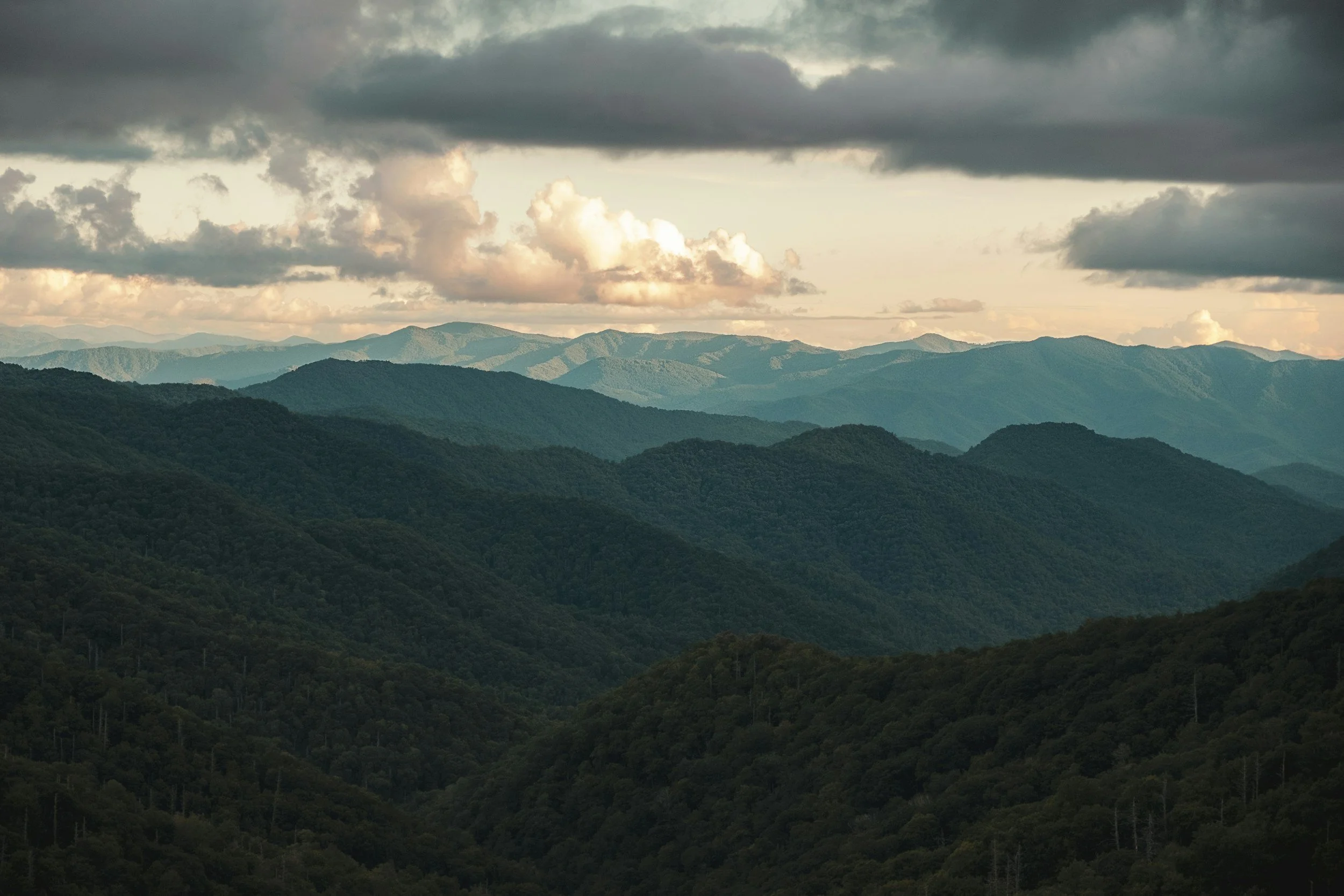
Great Smoky Mountains National Park (USA)
In the Smokies, families hike to waterfalls, spot elk and black bears from scenic drives, and complete Junior Ranger activity books. Time a late-spring visit for the synchronous fireflies display at Elkmont, one of the country’s most magical nighttime nature shows.
-
![Red sandstone rock formations with natural arches, some trees in the foreground, blue sky with clouds.]()
Moab (Arches & Canyonlands), Utah (USA)
Base in Moab for otherworldly red-rock scenery. Take a guided 4×4 or van tour through Arches and Canyonlands, with kid-friendly walks under giant stone arches by day and epic DarkSky stargazing under millions of stars at night.
-
![A large volcanic mountain with a cloud at its peak, surrounded by green forest and blue sky with scattered clouds.]()
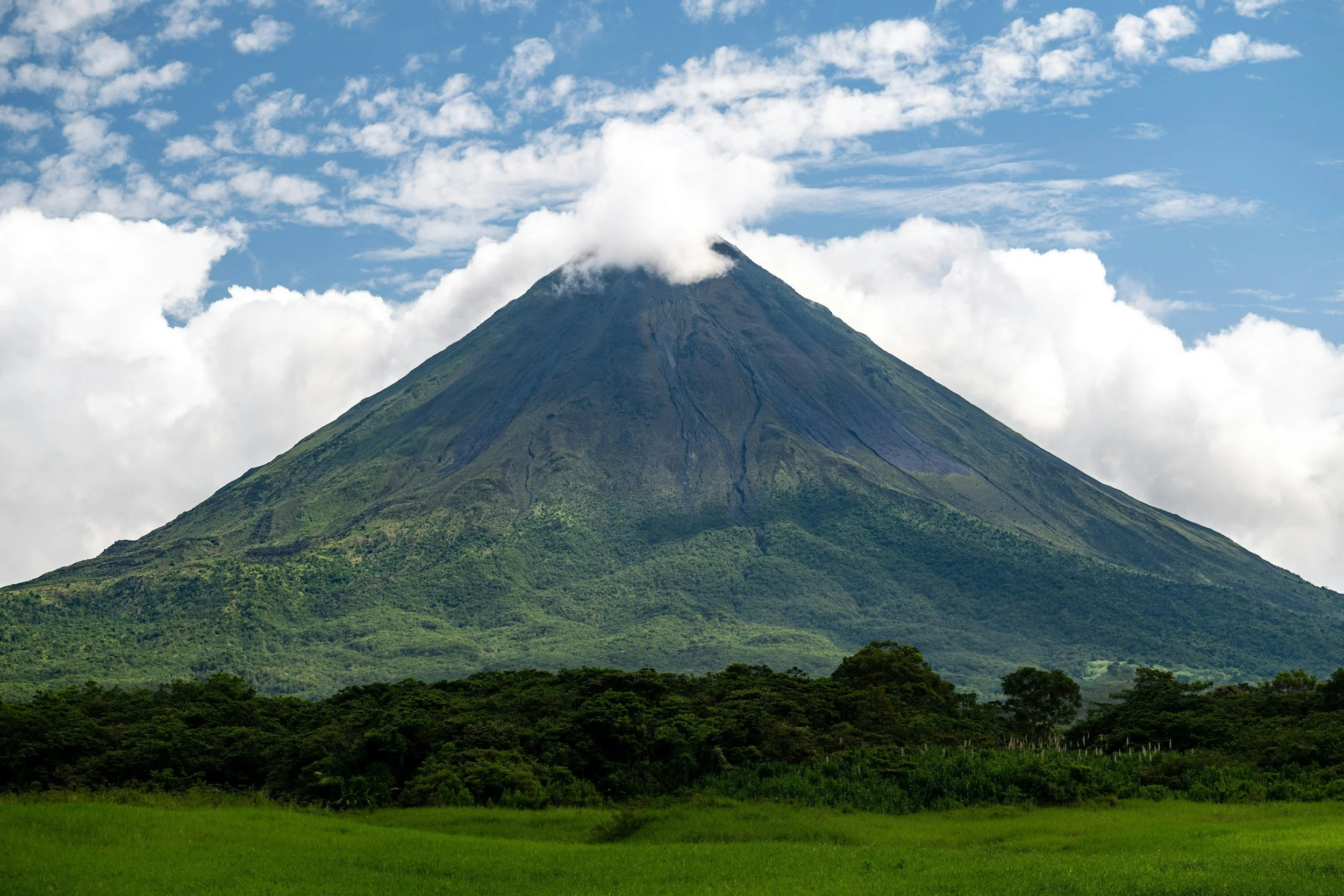
Arenal / La Fortuna (Costa Rica)
Base in La Fortuna near Arenal Volcano for zipline canopy tours, hanging bridges, and gentle tram rides through the rainforest—operators like Sky Adventures and others offer family-friendly options with varied thrill levels.
-
![View of a coastline with sandy beach, ocean waves, rocky shoreline, and buildings with palm trees in the distance, under a partly cloudy sky at sunset.]()
San Diego, California (USA)
Base yourselves near the beach, spend a day at San Diego Zoo or Safari Park, and add a LEGOLAND day trip for younger kids—many ticket packages bundle zoo and LEGOLAND admission, especially during Kids Free seasons. Whale watching and seal sitings are also common.
-
![Sunset over a river with tall pine trees and grassy bank, warm golden light, some fallen logs in the grass.]()
Yellowstone National Park (USA)
Introduce kids to geysers, bison and wolves on a guided Yellowstone wildlife or geyser tour, tailored for families and offered year-round from gateway towns like Jackson and West Yellowstone.
-
![A lighthouse on a rocky cliff overlooking the ocean with a winding road and houses on a green hillside in the background.]()
Azores (Portugal)
Portugal’s mid-Atlantic islands are a dream for outdoorsy families: think crater lakes, hot springs, black-sand beaches, and whale watching. Base on São Miguel for Sete Cidades jeep or bike tours, geothermal pool days in Furnas, and family-friendly whale-and-dolphin cruises with operators offering kid-focused excursions.
-
![A lively street scene at dusk with people walking and sitting along a cobblestone street. The buildings have colorful, whimsical architecture with signs hanging outside shops and cafes, and a large dragon sculpture visible in the background.]()
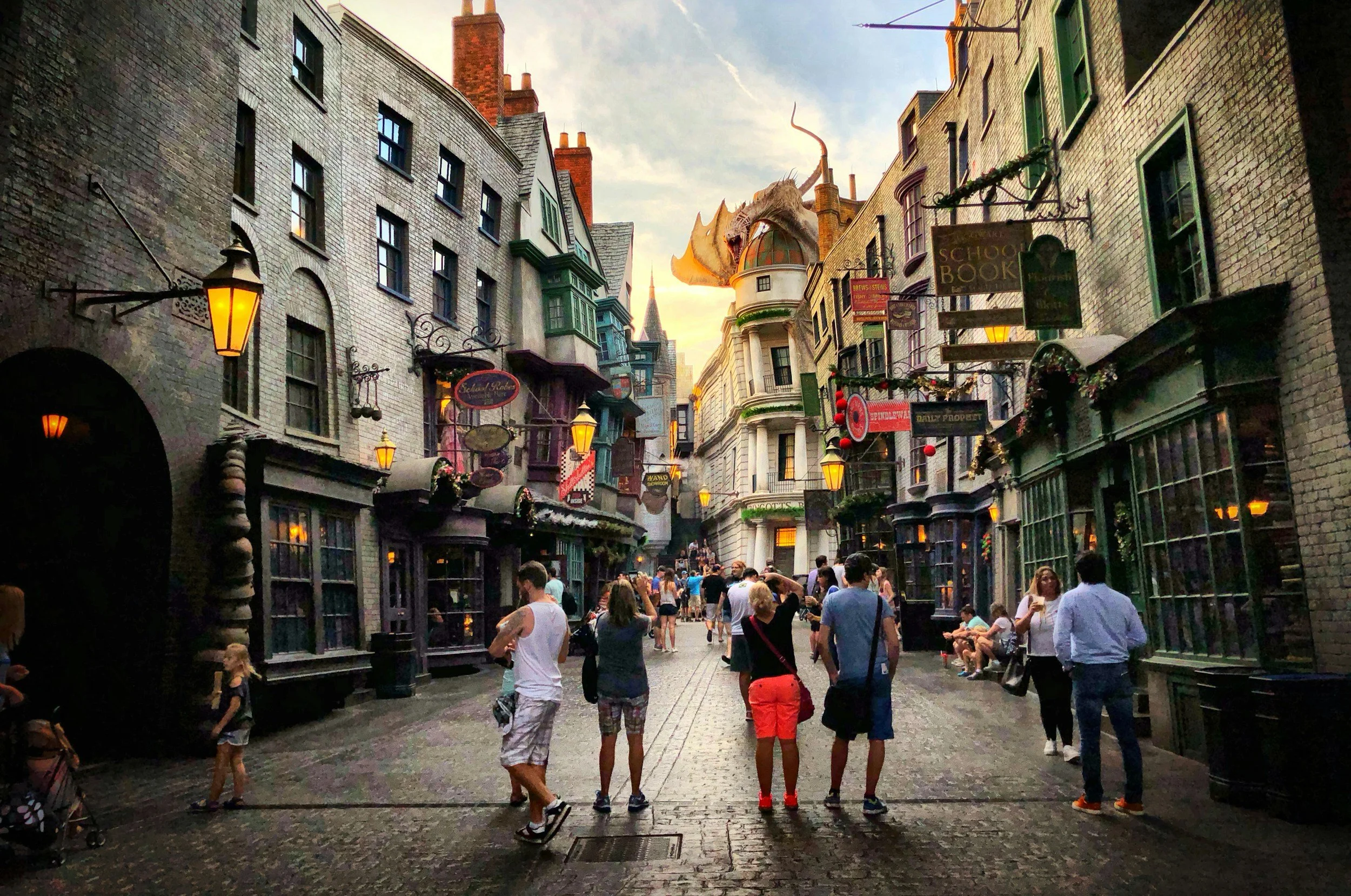
Orlando, Florida (USA)
Orlando is theme-park central for families—pair Disney or Universal days with a Wild Florida or Boggy Creek airboat tour through the Everglades to spot gators and birds.
-
![Chicago skyline at dusk, featuring the Cloud Gate sculpture (The Bean) in Millennium Park with people walking and cycling nearby.]()
Chicago, IL (USA)
Chicago mixes big-city energy with super family-friendly fun. Spend the day between Millennium Park’s “Bean,” Maggie Daley Park’s climbing playgrounds, and Navy Pier’s Centennial Wheel. Cap it off with a family architecture river cruise for skyline views and stories that keep kids engaged.
-
![A tropical beach scene at sunset with a palm tree, large rocks, and lush green plants on a sandy shoreline.]()
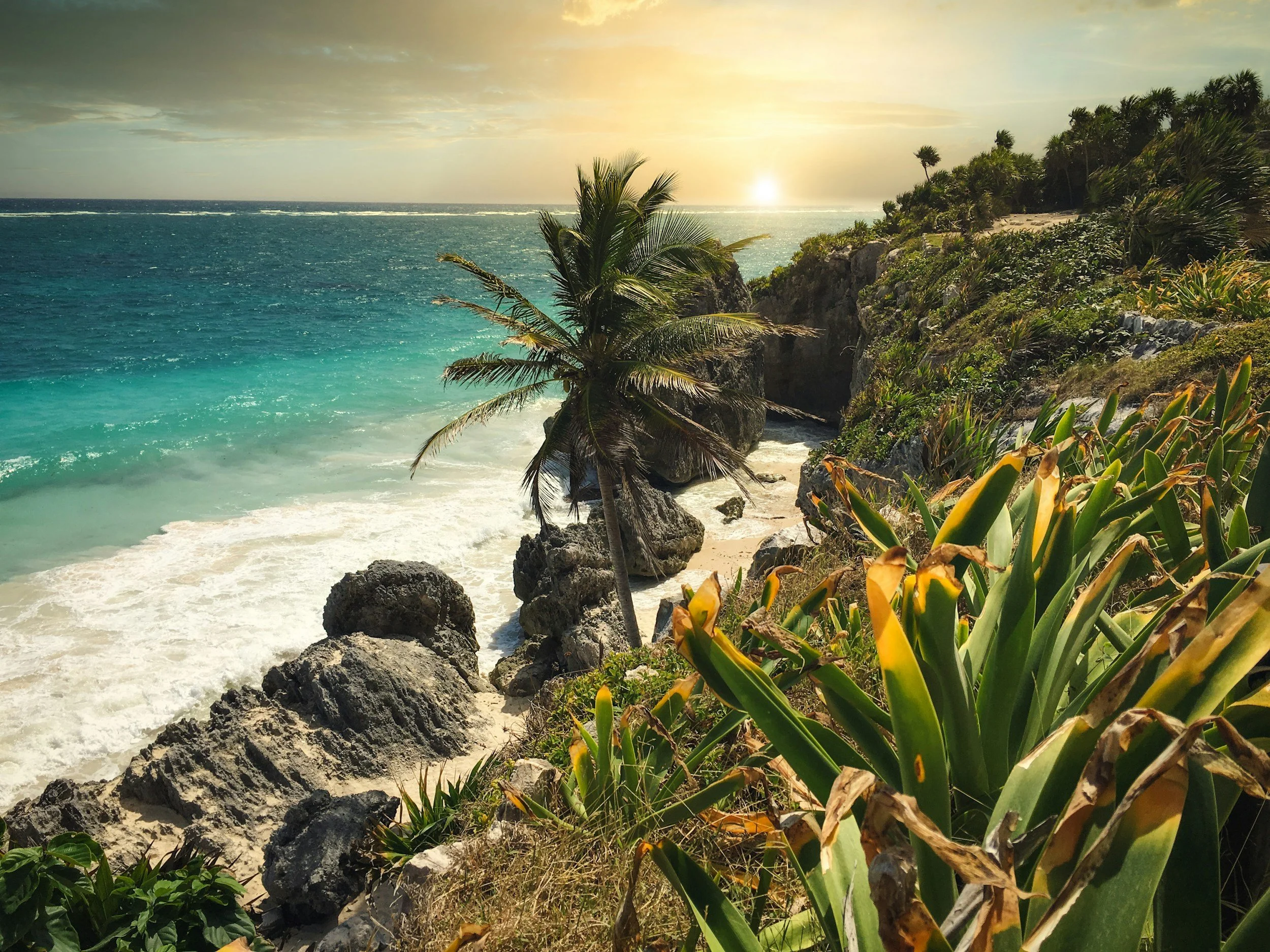
Riviera Maya (Mexico)
Riviera Maya is perfect for sun-loving, adventure-ready families. Spend days snorkeling in cenotes and Akumal Bay with sea turtles, then head to eco-parks like Xel-Há or Xcaret for lazy rivers, zip-lines, underground rivers, and cultural shows—all with tons of kid-friendly, all-inclusive options.Description goes here




Top 10 Family Trip Hacks
1. Start with the why (and pick the right destination)
Decide what this trip is really about: connection, relaxation, adventure, or a mix. For kids under 12, choose destinations with simple logistics, short transfers, and built-in kid appeal (beaches, pools, animals, theme parks, nature). The clearer your “why,” the easier every other decision becomes.
2. Plan your days around kid energy, not the clock
Little kids peak in the morning and crash hard in the afternoon. Aim for one “big thing” a day (zoo, museum, park) and leave the rest flexible. Build in quiet time daily—pool, cartoons, or naps—so evenings don’t completely derail.
3. Make travel day as kid-friendly as the destination
For flights or long drives, think in 90-minute chunks: snack, activity, bathroom/stretch, repeat. Pack a small “travel kit” for each child (headphones, coloring, fidgets, surprise toy). For flights, avoid super tight connections and try to align travel with usual nap times when possible.
4. Choose accommodations that do some of the heavy lifting
With kids, the “right” hotel or rental is often more important than the city. Look for:
A pool (instant kid entertainment)
Easy breakfast options
Fridge/microwave if possible
Walkable access to food, parks, or public transport
Suites or apartment-style stays can save everyone’s sanity at bedtime.
5. Pack light… but smart (especially for the under-12 crowd)
You don’t need everything, just the right things:
Change of clothes in carry-on for each kid
Simple first-aid/meds kit
Snacks they actually eat
Comfort items (stuffie, blanket, pacifier)
A small foldable tote for dirty clothes or overflow
Kids are happier when they can move easily—and so are you.
6. Use food as both fuel and fun
Hungry kids derail plans fast. Keep snacks handy and don’t schedule big activities right before normal mealtimes. When you can, make food part of the adventure—local bakeries, ice cream stops, markets—so kids feel like they’re “exploring,” not just being dragged to restaurants.
7. Set expectations early (and keep them realistic)
Before you leave, talk through what the trip will be like in kid language: airports, waiting, walking, taking turns choosing activities. On the trip, celebrate small wins—good listening in a museum, trying a new food, helping with bags. Lower expectations for “perfect behavior” and aim for “we made memories and everyone mostly survived.” 😄
8. Build in kid-choice moments every day
Even young kids handle travel better when they feel some control. Offer small, pre-screened choices:
“Park first or ice cream first?”
“Pool or beach this afternoon?”
“Red shirt or blue shirt?”
You’re still steering the ship, but they feel like co-captains.
9. Prioritize safety and backups (so you can relax more)
Take photos of passports/IDs and keep digital copies. Share your itinerary with a trusted person at home. At your destination, agree on a “meeting spot” if someone gets separated and put your phone number in younger kids’ pockets or on a wristband. A tiny bit of preparation makes it easier to breathe and enjoy the fun.
10. Remember: this is about memories, not perfection
There will be meltdowns, missed naps, and random travel weirdness. That doesn’t mean the trip is a failure. Zoom out: your kids will remember laughing in the pool, seeing something new, or having your undivided attention—not the one museum you didn’t make it to.