Japan

A destination guide for curious kids & their grown-ups
Japan is one of those rare destinations that thrills everyone in the family—whether it’s ramen-obsessed teens, anime fans, history buffs, or grandparents who just want great scenery and smooth logistics. Picture neon nights in Tokyo, hot springs with mountain views, temples tucked into bamboo forests, and bullet trains that make getting around part of the fun. This guide gives families a big-picture overview: what to know before you go, where to visit, how to get around, and a sample itinerary that balances culture, play, and downtime.
Currency & Money
Currency: Japanese Yen (¥ / JPY).
ATMs: Reliable ATMs are easy to find in major airports (Narita, Haneda, Kansai, Sapporo) and convenience stores, especially 7-Eleven, which works well with most foreign cards.
Cards vs cash: Credit cards and tap-to-pay (including Apple Pay) are widely accepted in cities and larger shops, but small restaurants, shrines, and rural areas may still be cash-only.
Tipping: Japan has a no-tip culture; service charges are included, and tipping can be confusing. The main exception is small cash envelopes for ryokan attendants or optional tips for private guides/drivers.
Language
Official language: Japanese.
English use: English signage is standard in trains, subways, major attractions, and airports. In big cities, hotel staff and many restaurant workers have basic English; in more rural areas, you’ll rely more on gestures, maps, and translation apps.
Family tip: Have kids learn a few words—arigato (thank you), sumimasen (excuse me/sorry), konnichiwa (hello). It’s fun, and locals really appreciate the effort.
When to Go
Japan is truly a year-round destination, but the feel of your trip changes a lot by season.
Spring (March–May):
Late March–April = famous cherry blossom season in many regions, but also the most crowded and expensive time of year. Golden Week (late April–early May) brings heavy domestic travel and some closures.
Great for: blossoms, mild weather, first-time visitors (if you’re okay with crowds).
Summer (June–August):
June brings heat and rainy season; July–August is hot, humid, and festival-packed (Gion Matsuri in Kyoto, fireworks, Obon). Mountains and northern areas (Hakone, Nagano, Hokkaido) are lovely for hiking and cooler temps.
Autumn (September–November):
Comfortable temperatures, with spectacular fall foliage peaking in October–November, especially in Kyoto. Crowds increase again in November at popular leaf-viewing spots.
Winter (December–February):
Cold and often clear in cities, with legendary powder snow for skiers in Hokkaido and northern Honshu; lower crowds and better hotel deals outside peak holiday periods.
Family sweet spots:
Late May, October, and early November often balance pleasant weather, good scenery, and more manageable crowds.
Airports & Access
For most families, the easiest entry points are:
Tokyo – Haneda (HND): Closest to central Tokyo; great for families wanting a short transfer after a long flight.
Tokyo – Narita (NRT): More international long-haul options; fast train access (Narita Express) into Tokyo. ATMs and currency exchange are plentiful on arrival.
Osaka – Kansai (KIX): Best for itineraries focused on Kyoto, Osaka, Nara, and western Japan; serves as a natural exit airport for “Tokyo in / Osaka out” routes.
Open-jaw flights (into Tokyo, out of Osaka or vice-versa) save valuable family time by avoiding backtracking.
Getting Around
Trains & Shinkansen (Bullet Trains)
The Shinkansen network is fast, punctual, and very family-friendly—assigned seats, clean restrooms, and plenty of snack options.
Families can book Ordinary, Green (business), or Gran Class (first) seats, depending on budget and comfort preferences.
City transit & Suica
Subways and local trains are the easiest way to move around Tokyo and other major cities.
A Suica transit card (physical or loaded into Apple Wallet) lets you tap in/out on trains, buses, and even buy snacks at vending machines and convenience stores.
Private transfers & taxis
For arrival days, late-night flights, or with younger kids + luggage, private airport transfers or taxis can be a sanity saver—especially Narita → Tokyo or KIX → Kyoto/Osaka.
Top 6 Places to Visit in Japan
-
Tokyo
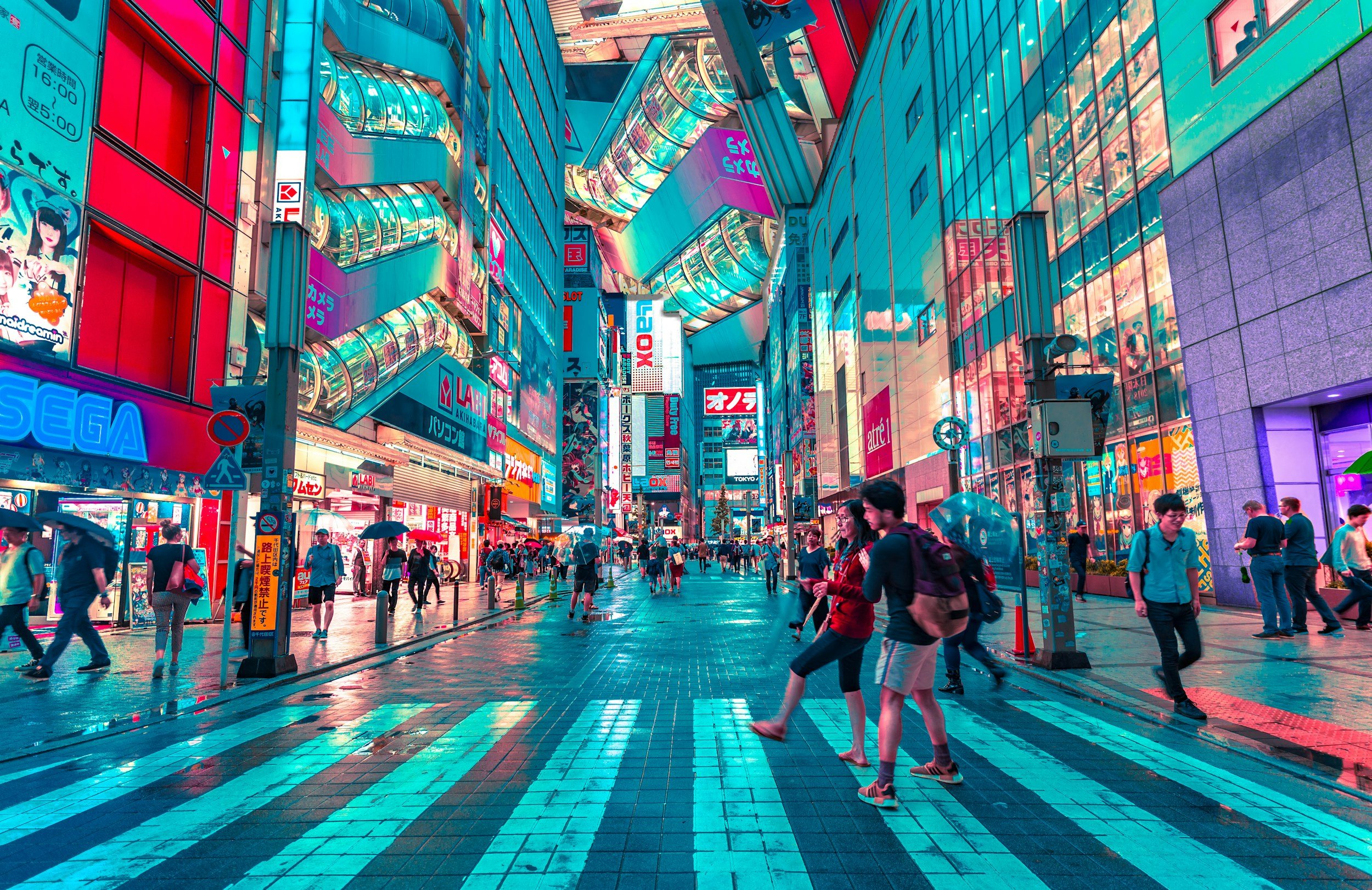
Japan’s capital mixes towering skyscrapers, shrines, and kid magnets like Akihabara’s game arcades and anime shops. Families love:
Senso-ji Temple & Nakamise shopping street in Asakusa.
Meiji Jingu Shrine plus Harajuku’s colorful youth fashion.
Odaiba or teamLabs, Ghibli Museum, and hands-on museums like Edo-Tokyo.
-
Mt. Fuji, Hakone & Lake Kawaguchi
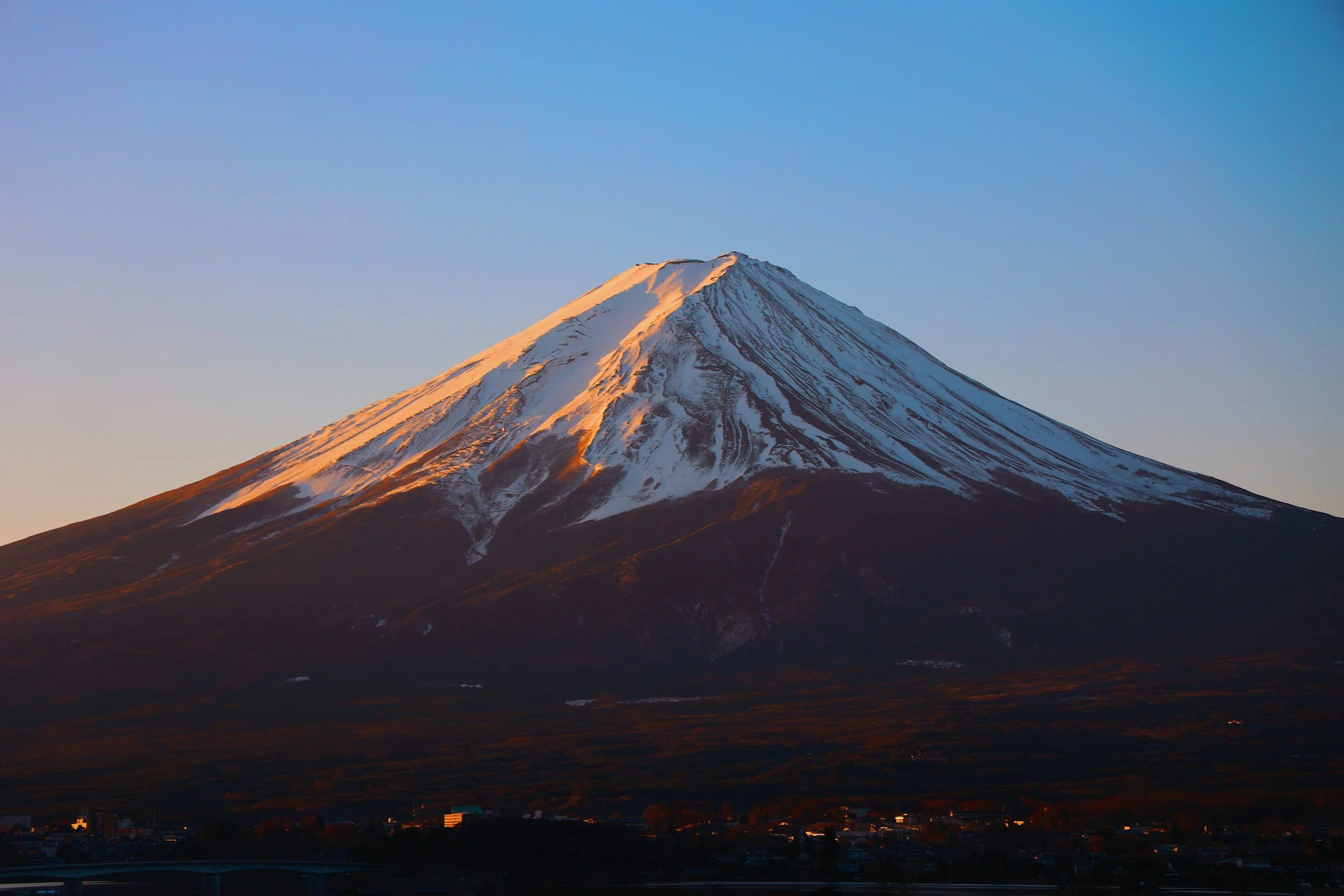
Stay in Hakone or the Fuji Five Lakes region for:
Classic views of Mt Fuji from Lake Kawaguchi and Arakura-Fuji Sengen Shrine.
Ropeways, pirate boats on Lake Ashi, and open-air museums.
Family-friendly onsen (hot spring) stays, including ryokan such as Yoshimatsu in Hakone.
-
Kyoto "Old Japan"
With over 2,000 temples and shrines, Kyoto is where many travelers fall in love with “old Japan.”
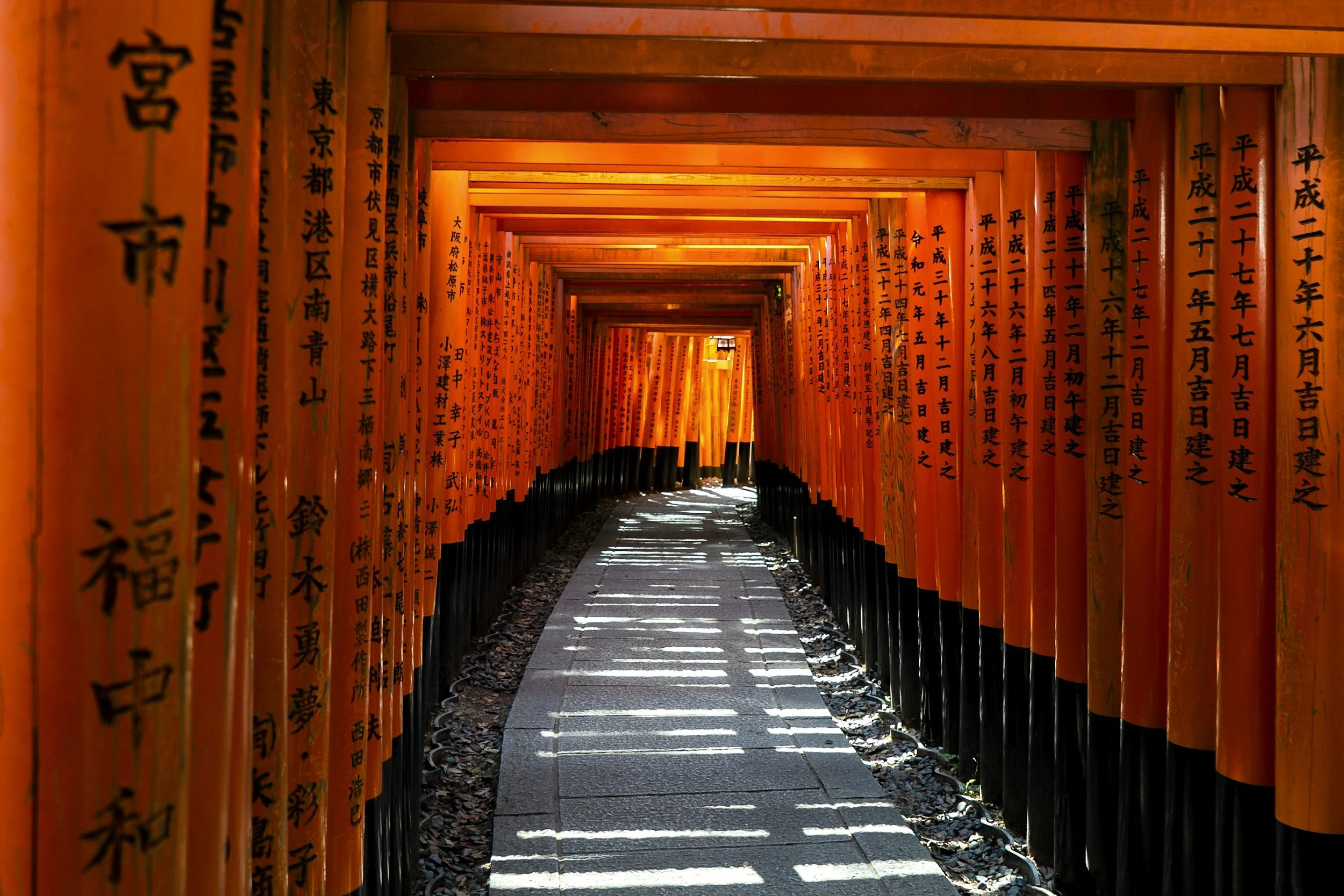
Fushimi Inari Shrine’s thousands of red torii gates.
Arashiyama Bamboo Forest and monkey park.
Golden Pavilion (Kinkaku-ji) and strolling the Gion district in the evening.
-
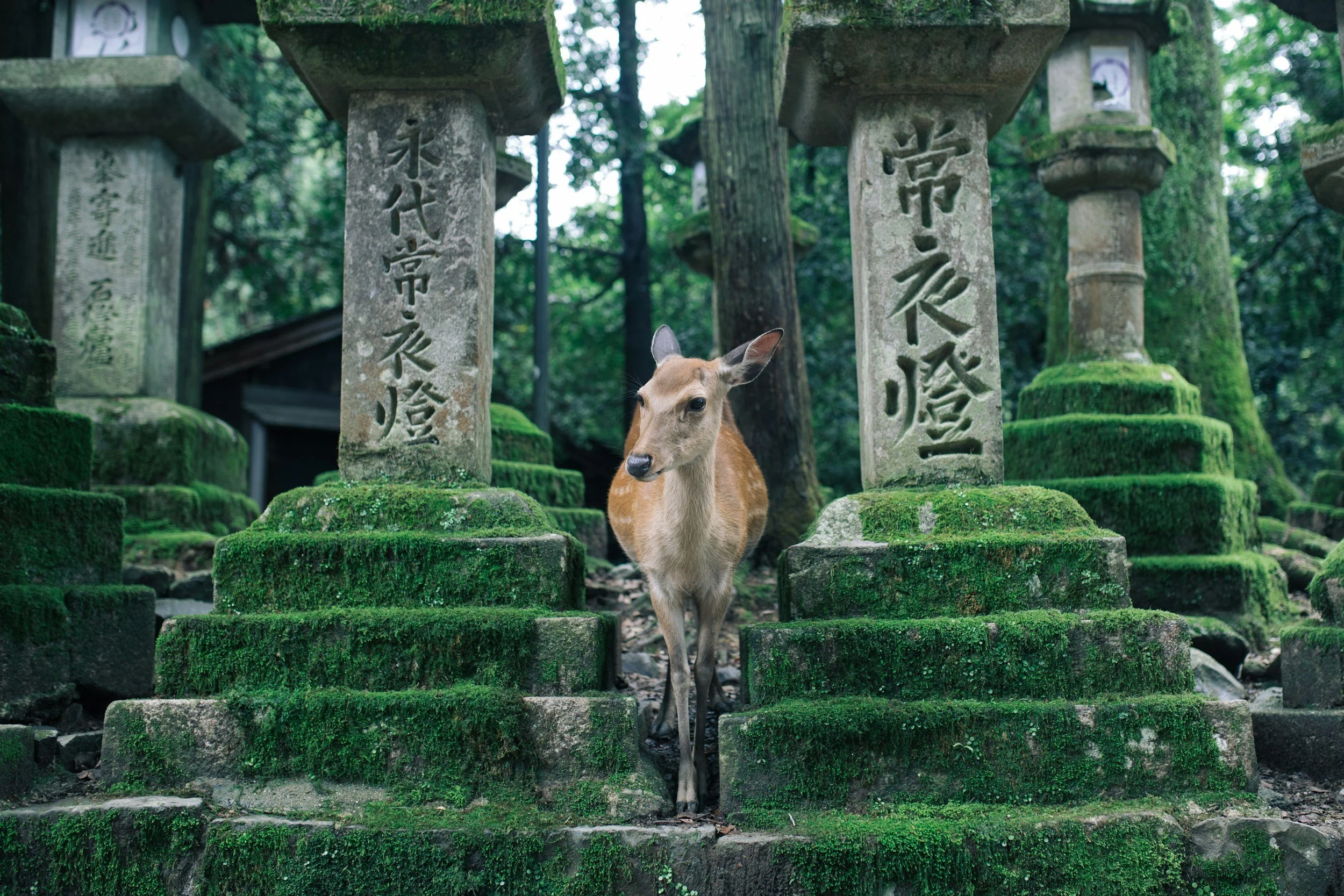
Nara
An easy day-trip from Kyoto or Osaka, Nara gives kids something they never forget:
Friendly deer roaming Nara Park.
Massive Great Buddha at Todai-ji temple.
-
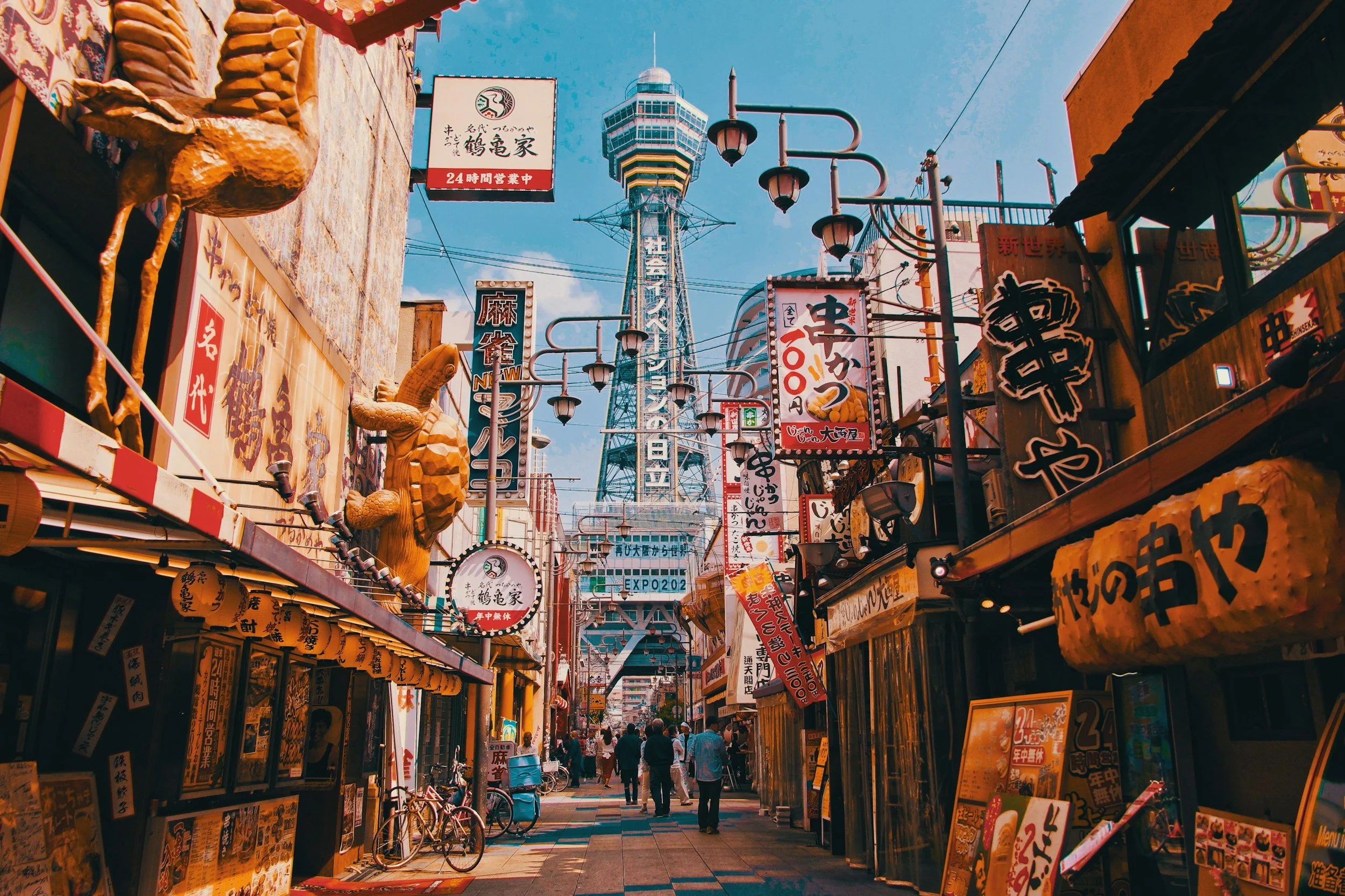
Osaka
Known as Japan’s “kitchen,” Osaka is playful and bold:
Dotonbori and Namba for neon, street food, and family-friendly chaos.
Osaka Castle and surrounding park.
Kaiyukan Aquarium or Universal Studios Japan
-
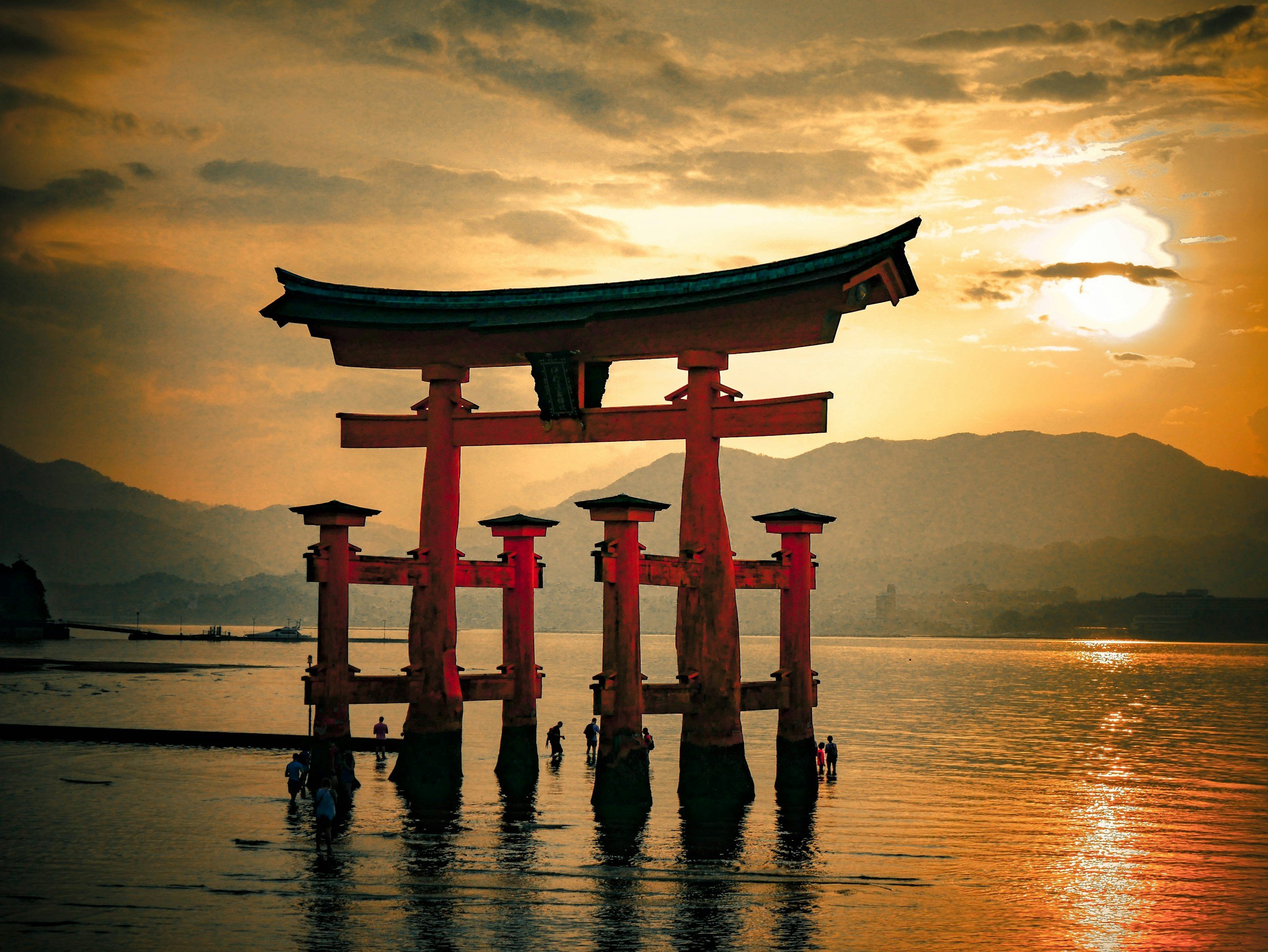
Hiroshima & Miyajima
For older kids/teens, Hiroshima adds important context to a Japan journey:
Peace Memorial Park & Museum and the A-Bomb Dome.
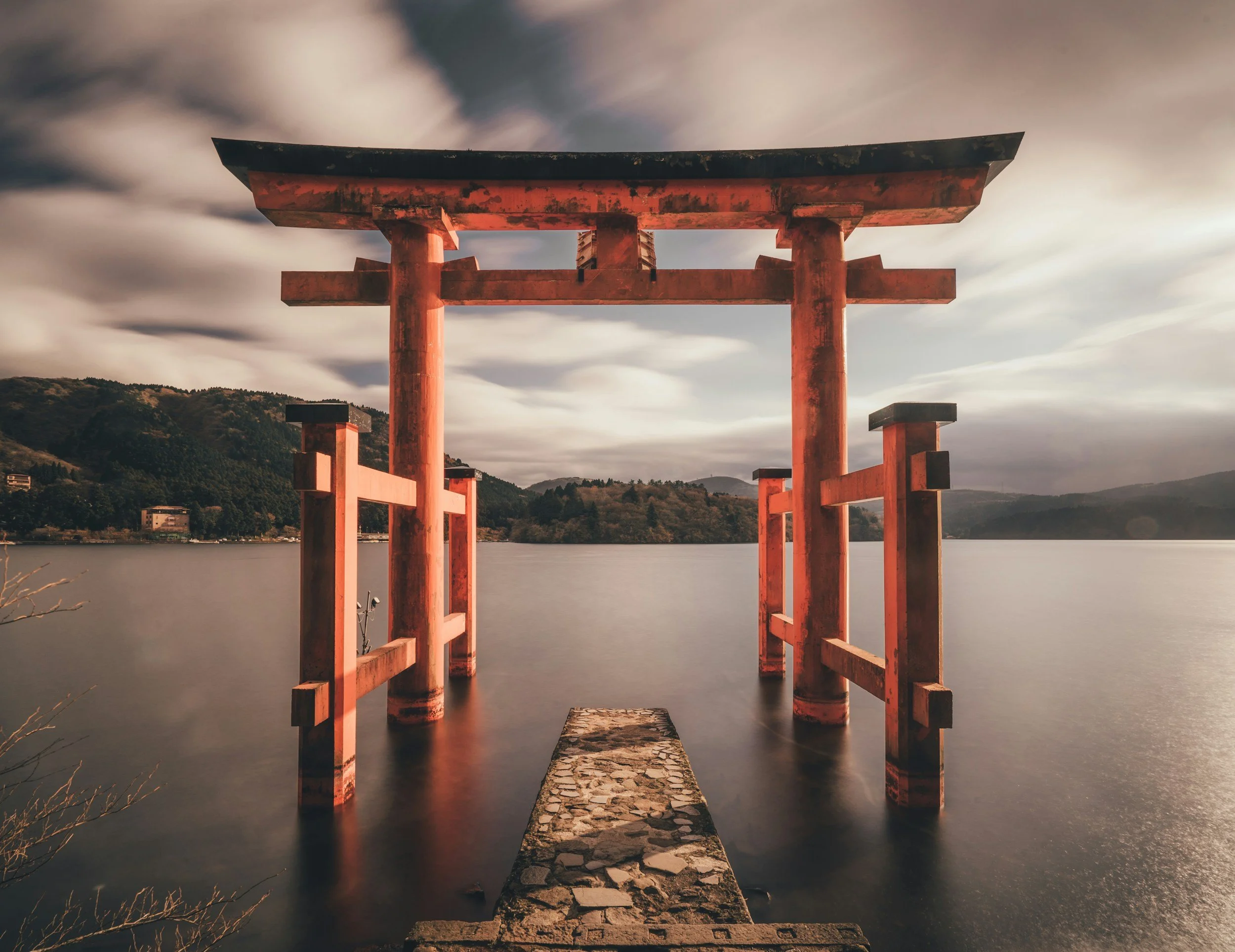
Ferry to Miyajima Island to see the iconic floating torii gate at Itsukushima Shrine and tame deer along the streets.
Signature Experiences in Japan
-
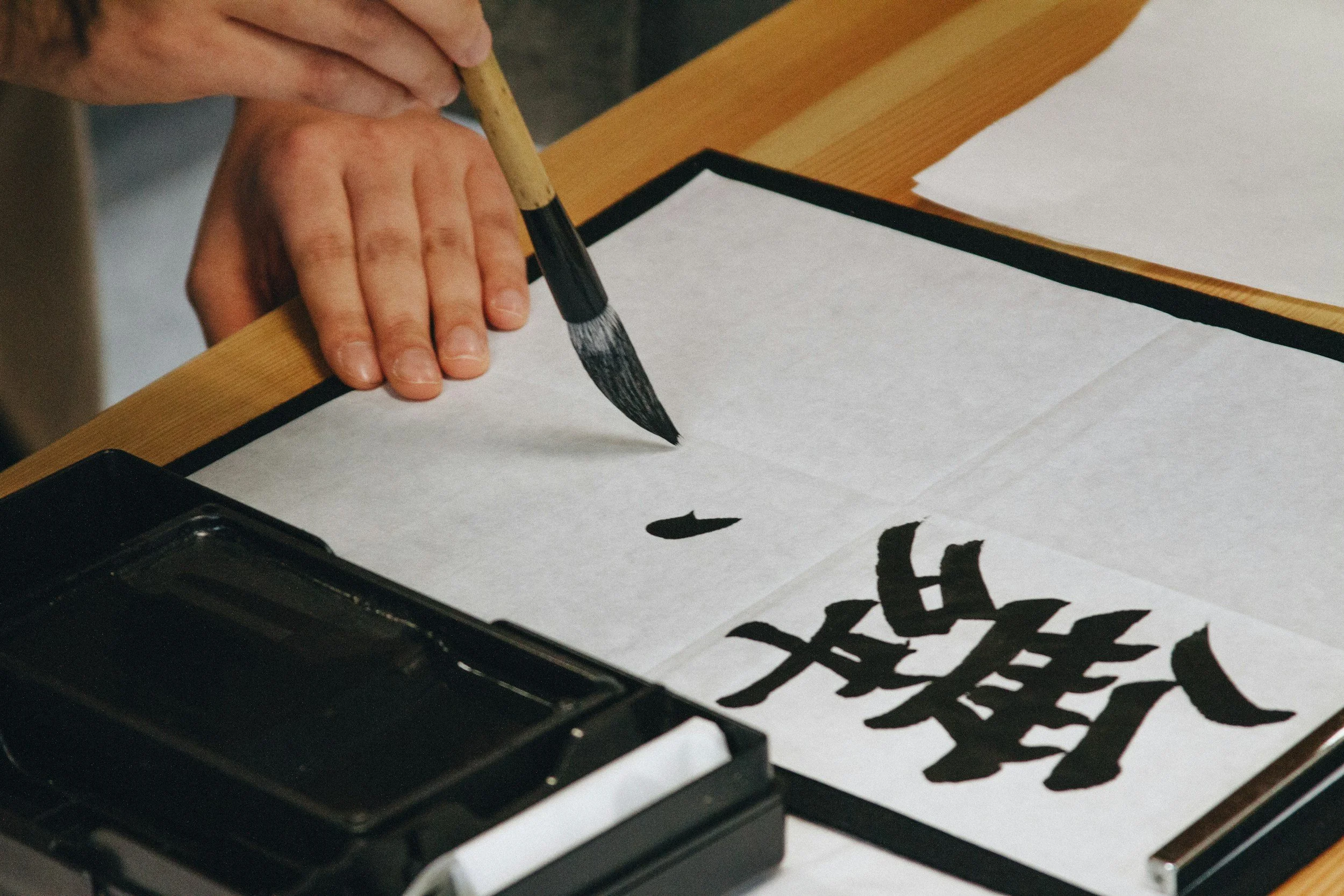
Calligraphy lesson in Tokyo
Learn brush techniques and write your own kanji with a master teacher, suitable for kids and adults.
-
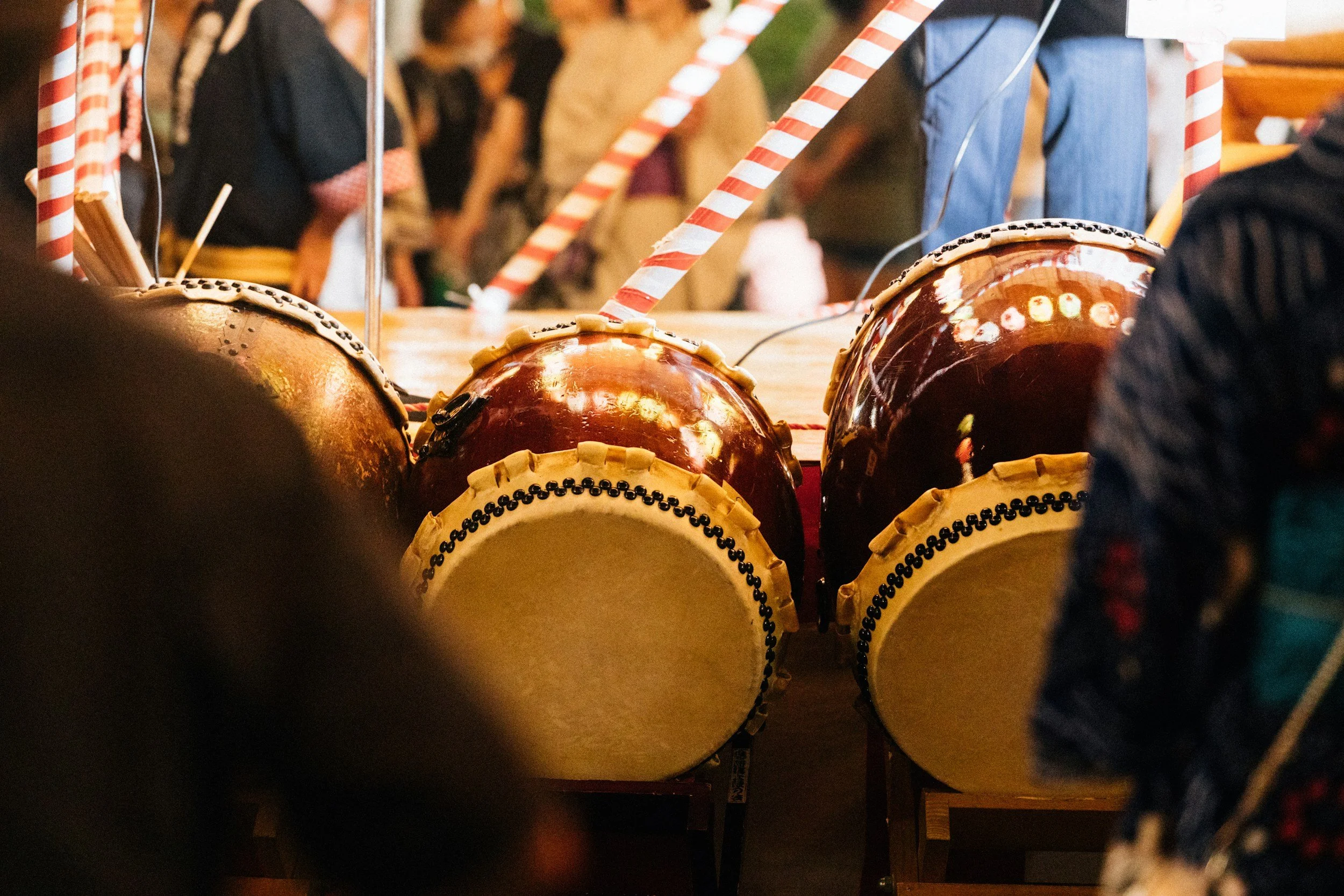
Taiko Drumming Workshop
Pound giant drums together; movement + rhythm; what kid doesn’t like a good drum!
-
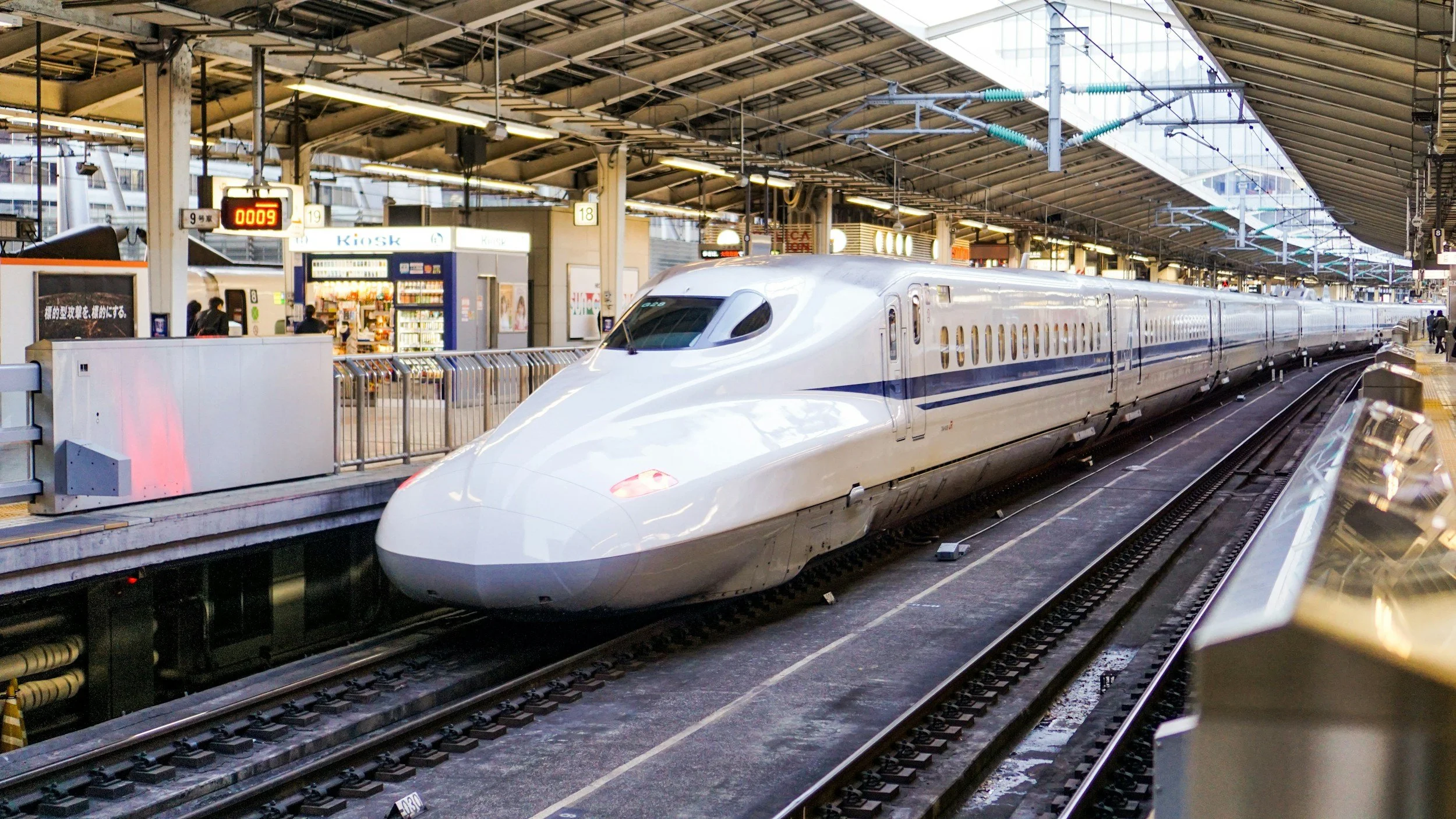
Bullet Train Ride
Zip between cities on the Shinkansen; reserve window seats on Fuji-view routes where possible.
-
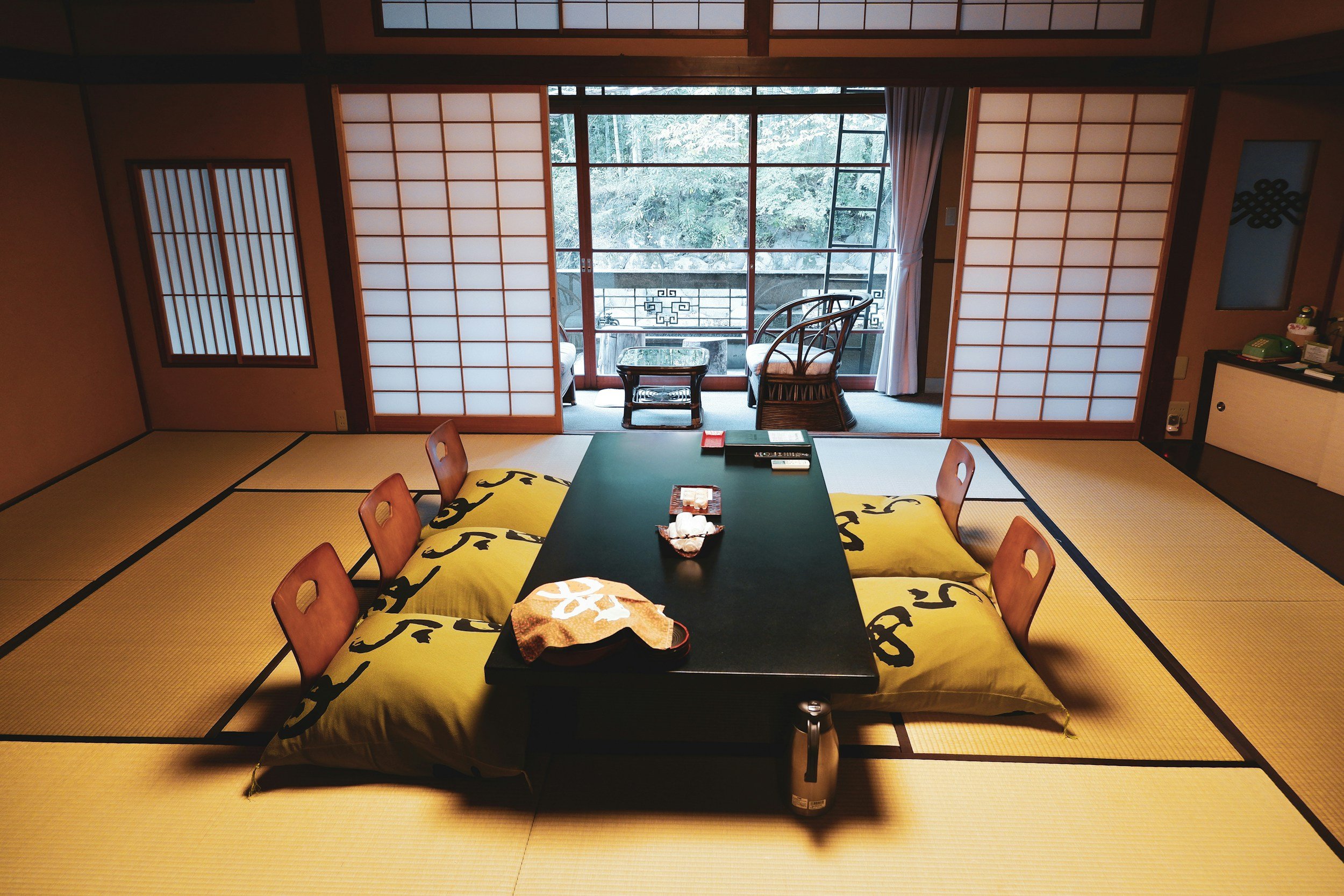
Stay in a Ryokan with Onsen
Sleep on futons, wear yukata robes, and enjoy multi-course Japanese dinners in this traditional Japanese experience.
-
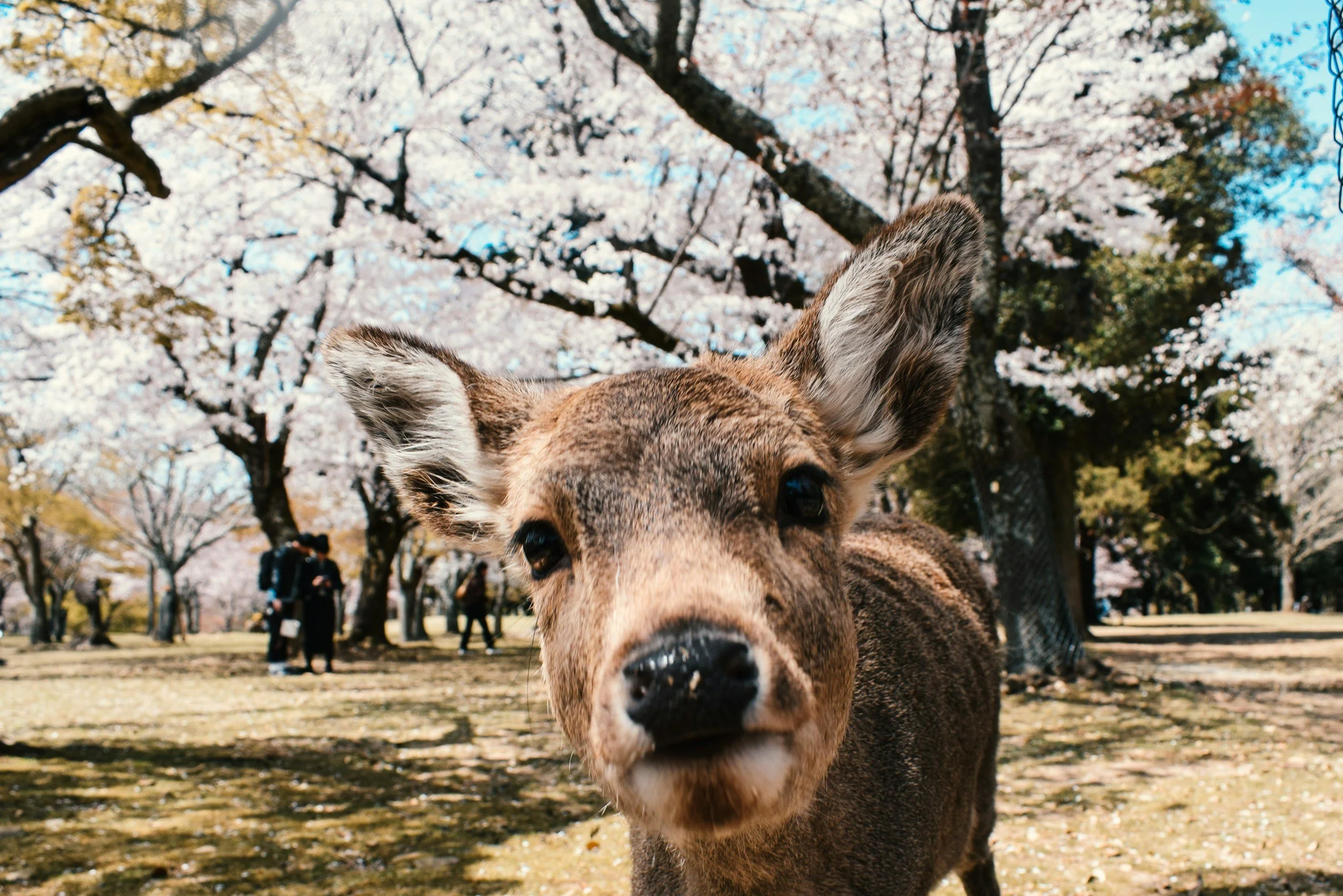
Meet the Deer in Nara Park
Feed crackers (carefully!) and visit Todai-ji with its enormous Buddha statue.
-
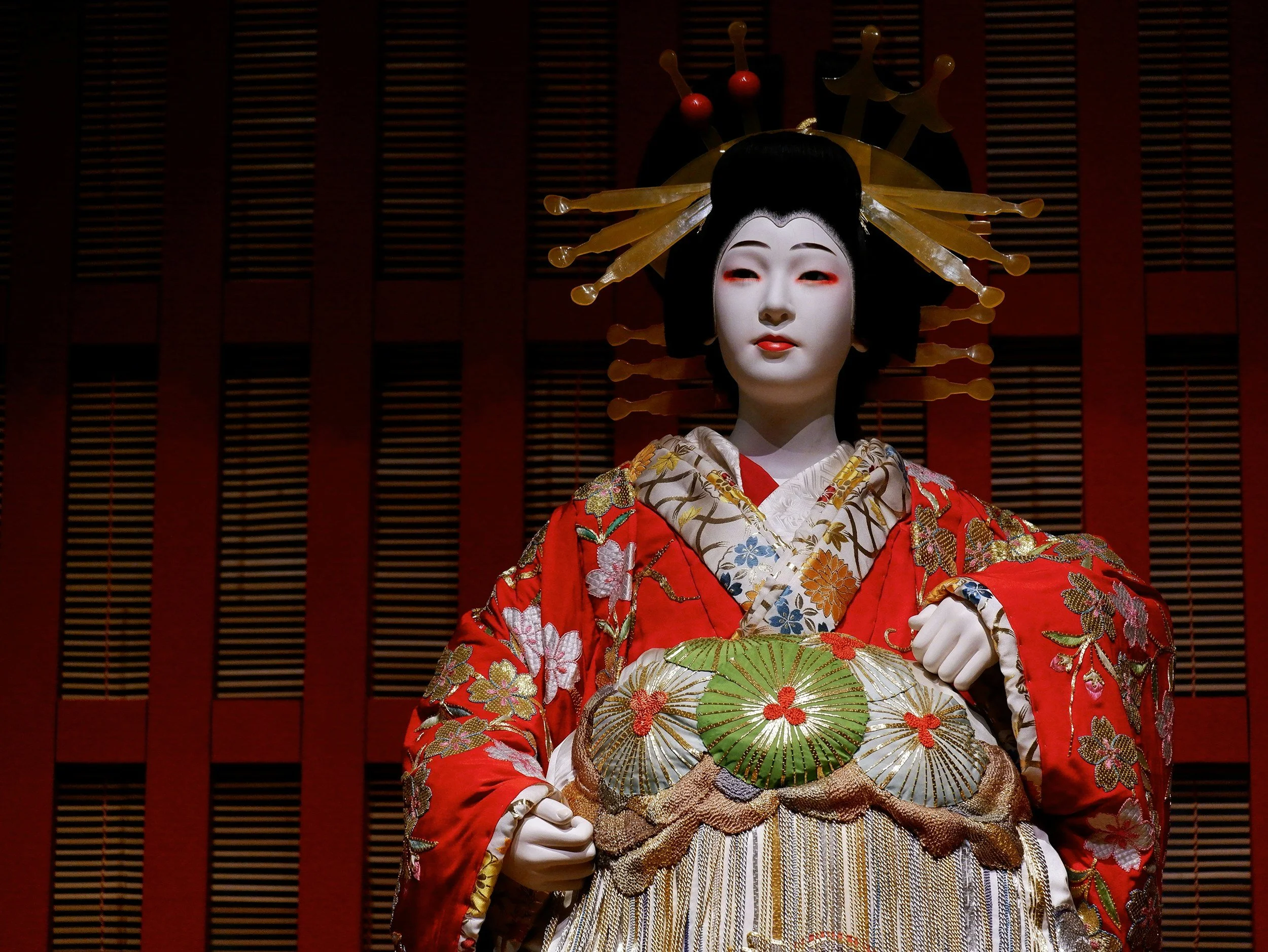
Museums
Edo-Tokyo Museum, Miraikan (emerging science & robotics), and kid-oriented districts like Akihabara and Odaiba for tech, anime, and arcades.
Sample 10 Day Japan Itinerary
Tokyo – Mt Fuji/Hakone – Kyoto – Osaka
Day 1 – Arrive Tokyo
Private or shared transfer to your hotel. Early evening walk near the hotel, simple dinner, and early bedtime.
Day 2 – Tokyo: Past & Future
Edo-Tokyo Museum or similar history museum with interactive exhibits.
Private family calligraphy lesson.
Explore Akihabara for anime shops and game arcades.
Day 3 – Tokyo: Asakusa & Taiko
Senso-ji Temple & Nakamise shopping street.
Taiko drumming workshop.
Optional stop at the Imperial Palace East Gardens or a city viewpoint.
Day 4 – Tokyo at Leisure
Ideas: Ghibli Museum, teamLabs, Odaiba, or a food tour in Tsukiji market area.
Day 5 – Tokyo → Mt Fuji / Hakone
Private transfer or Romance Car train to the Hakone or Kawaguchi area.
Lake cruise or ropeway with views of Mt Fuji (weather permitting).
Check into a ryokan with onsen; kids can try yukata and Japanese-style dinner.
Day 6 – Hakone → Kyoto (via Shinkansen)
Transfer to Odawara station and ride the bullet train to Kyoto.
Evening stroll through Gion or Pontocho Alley; early night.
Day 7 – Kyoto Highlights
Arashiyama Bamboo Forest.
Golden Pavilion (Kinkaku-ji).
Fushimi Inari Shrine’s torii paths.
Day 8 – Nara Day Trip
Train to Nara; visit Nara Park and Todai-ji.
Return to Kyoto for dinner.
Day 9 – Kyoto → Osaka
Short train ride to Osaka.
Explore Dotonbori, Namba, and Kuromon Market; consider Kaiyukan Aquarium or an evening river cruise.
Day 10 – Departure from Osaka (KIX)
Transfer to Kansai International Airport for flight home.
Family-Friendly Accommodations
Tokyo
The B Shimbashi (3★): Central, good value, compact but efficient rooms; good base for active families.
Mitsui Garden Hotel Shiodome Italia-Gai (4★): Stylish mid-range option with easy access to major train lines.
The Peninsula Tokyo (5★): Flagship luxury hotel with spacious rooms and excellent service for families.
The Prince Gallery Tokyo Kioicho (Luxury Collection): Sky-high city views, indoor pool, multiple restaurants, and direct subway access—excellent for families wanting a sleek base in central Tokyo.
Hakone / Fuji Area
Yoshimatsu Ryokan (Traditional): Classic ryokan experience with tatami rooms, kaiseki meals, and onsen baths—ideal for introducing kids to traditional Japanese stays.
Kyoto
Comfort Inn Kyoto Shijokarasuma (3★): Simple, modern, central base near transit.
The Thousand Kyoto (4★): Design-forward hotel near Kyoto Station; easy with luggage and trains.
Hyatt Regency Kyoto (4–5★): Spacious rooms, calm neighborhood, and solid family reputation.
Roku Kyoto, LXR Hotels & Resorts (5★): Resort-style luxury with beautiful grounds, suited to families wanting more space and amenities.
Osaka
Via Inn Prime Shinsaibashi Yotsubashi (3★): Functional, well-located hotel near shopping and nightlife.
Hotel The Leben Osaka (4★): Modern, comfortable base with good access to central Osaka.
Conrad Osaka (5★): Upscale property with sweeping city views and strong family-friendly service.
Ready to Plan your Japan Adventure?